





The most anticipated day for music has finally arrived. The 54th annual Grammy Awards, honoring the best in the business across different genres of music. The most anticipated awards being Album of the Year, Song of the Year, Record of the Year, and Best New Artist.
This year included some predictable moments and a few upsets. Olivia Dean won Best New Artist for her rise to popularity after her jazz inspired pop album, The Art of Loving, which has taken the world by storm. She was predicted to win by several sources, including an article from the New York Times. Other artists that were nominated in the category include Alex Warren, The Marías, Addison Rae, and Sombr, all of whom experienced a rise to fame during 2025.
Song of the Year went to Billie Eilish and Finneas for the songwriting of “Wildflower,” a hit from Eilish’s album Hit Me Hard and Soft. Some viewers were confused as to how “Wildflower” was eligible for a Grammy, as the Hit Me Hard and Soft was released in 2024 and nominated for several Grammys at last year’s show. Eilish released the song as a single in February 2025, which put it in the eligibility window for this year’s Grammys. The only way she would not have been eligible is if she had already won with the song, but she hadn’t last year.
Kendrick Lamar and SZA received Record of the Year for their collaboration on “luther,” which was on Lamar’s most recent album GNX. The song is a tribute to the late Luther Vandross, a recognized singer and producer. It reached number one on the Billboard Hot 100 and spent 13 consecutive weeks in that spot.
Arguably the most important award every year is Album of the Year, and this year Bad Bunny received the award for his sixth studio album, Debí Tirar Más Fotos. The win was historic as it was Bad Bunny’s first win outside of a global music or Música Urbana category. It was also the first time an entirely Spanish album has won album of the year, and was a huge moment for Latin music, and especially Puerto Rican fans. The win also came one week before his Super Bowl performance, which has been a hot political debate recently. Several conservative lawmakers and influential figures have loudly opposed the selection, especially with recent immigration actions and Bad Bunny’s support of Kamala Harris in the presidential election.
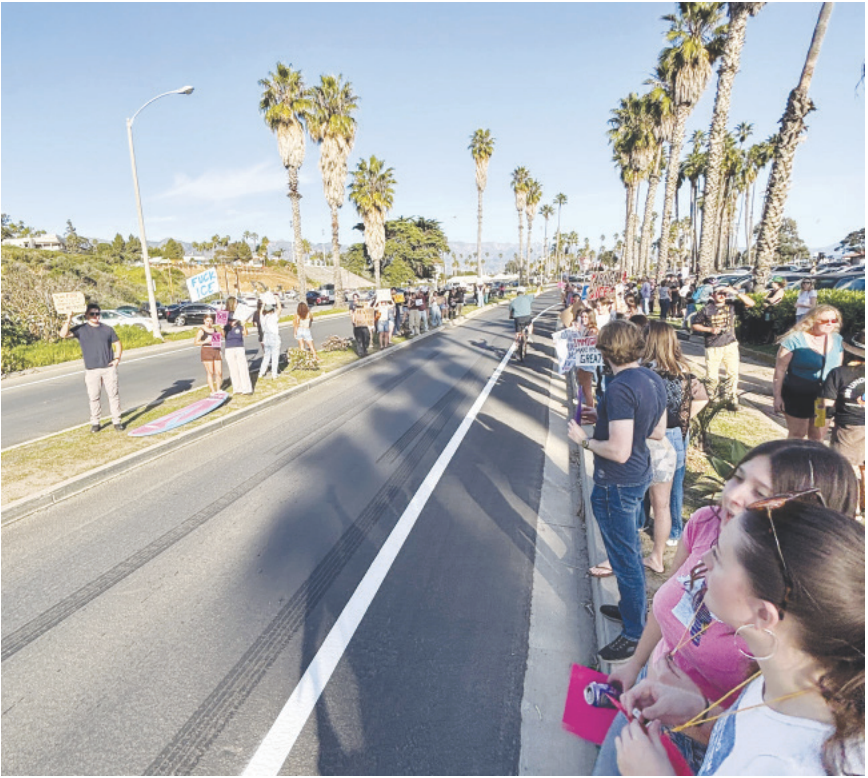
This year’s Grammys was noticeably more politically charged than in years past. Several artists used their platform to condemn ICE operations in the United States. Whether that was in the form of small pins, like the one worn by Carol King, or more overt statements made on stage, there was an energy of resistance in the room. Bad Bunny’s statement was one of the simplest but most effective. He started his speech by saying “ICE out,” earning him a long standing ovation. Other artists, including Billie Eilish, Olivia Dean, and SZA made slightly less overt comments, but used their time on stage to share about current events. The atmosphere throughout the night suggested a shift in how artists view award shows—not just as celebrations of music, but as opportunities for advocacy. Speeches that might once have focused solely on gratitude instead carried undertones of urgency and solidarity. Even performers who avoided direct political slogans emphasized themes of unity, justice, and protection for vulnerable communities. The audience’s enthusiastic reactions reflected how deeply these messages resonated beyond the stage.In conversations backstage and across social media, viewers debated whether such statements belonged at an awards show, yet the overwhelming response suggested that many welcomed the candor. The Grammys, long criticized for being out of touch, appeared newly aware of the cultural moment. By amplifying these perspectives, the ceremony positioned itself not merely as entertainment, but as a reflection of the anxieties and convictions shaping contemporary American life. That evolution may redefine future broadcasts in lasting ways for years to come.